
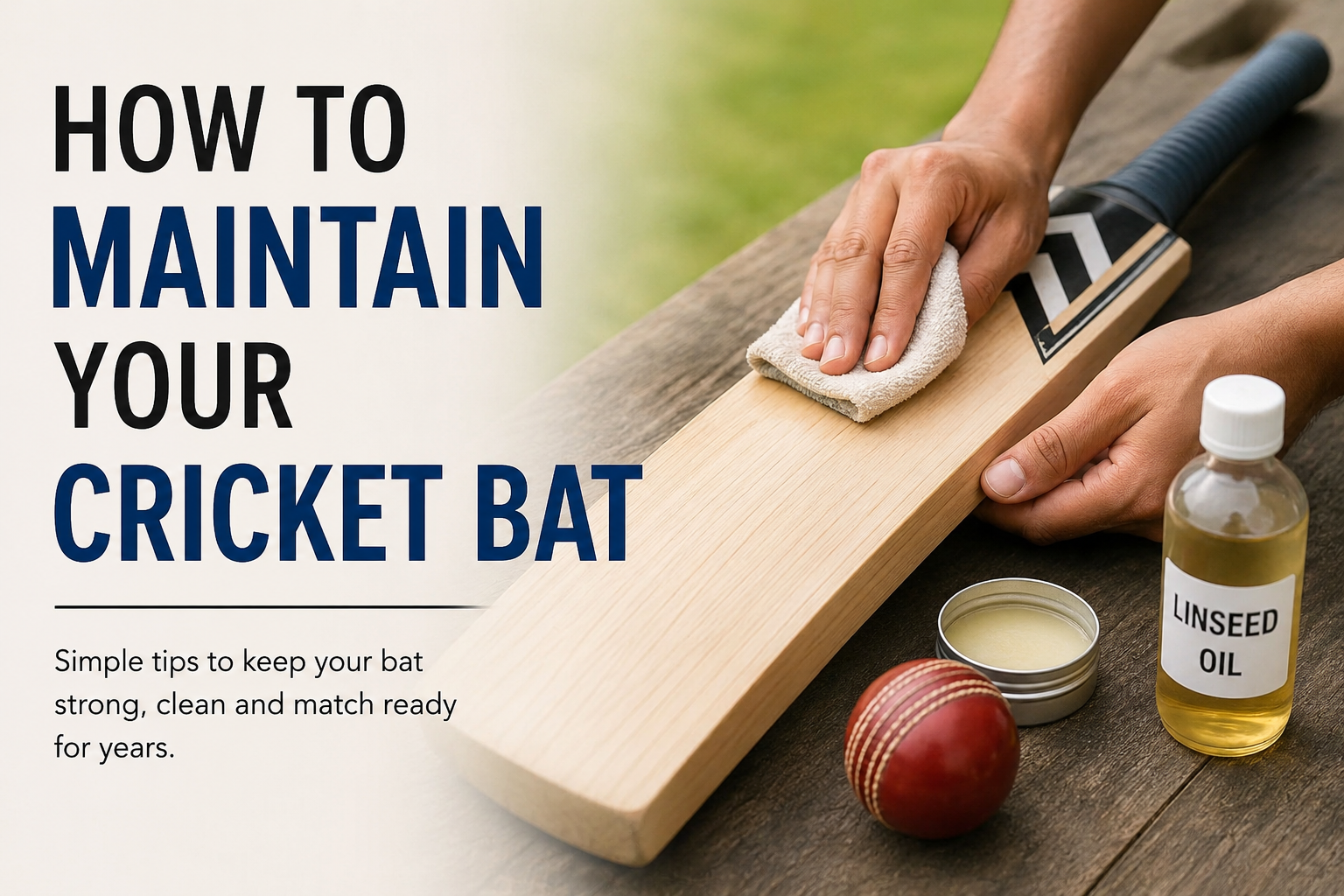
A cricket bat is one of the most important pieces of equipment for any cricketer. Whether you play cricket casually with friends, train regularly, or compete in matches, taking proper care of your bat can help it stay strong and perform well for a longer time. I believe many players focus heavily on batting technique but forget that the condition of the bat also matters. A well maintained cricket bat feels better in the hands, looks cleaner, and can handle regular use much better.
In this guide, I will share practical tips on how to maintain your cricket bat, including cleaning, oiling, knocking in, storage, handling moisture, and checking the bat after matches.
Why Cricket Bat Maintenance Matters
A cricket bat is usually made from willow, which is a natural wood. Because wood can be affected by moisture, dryness, impact, and temperature, it needs some basic care. Every time you hit a cricket ball, the bat receives impact. Over time, repeated impacts can create small marks, cracks, or surface damage.
Proper cricket bat maintenance does not mean spending hours caring for it every day. In my experience, simple habits make a big difference. Cleaning the bat after use, storing it correctly, checking for damage, and following the manufacturer’s care instructions can help protect your investment.
Keep Your Cricket Bat Clean
One of the easiest ways to maintain a cricket bat is to keep it clean. After playing, check the blade for dirt, grass, dust, and small pieces of debris.
Use a soft and dry cloth to gently wipe the surface. If the bat is only slightly dirty, you normally do not need water. Avoid soaking the bat or using excessive moisture because willow is natural wood and can absorb water.
Pay particular attention to the edges and toe of the bat. Dirt can collect around these areas during outdoor matches. A clean bat is easier to inspect, which means you can notice cracks or damage before they become bigger problems.
Oil Your Cricket Bat Correctly
Oiling is an important part of maintaining many traditional willow cricket bats. It helps keep the wood from becoming excessively dry and supports the bat’s overall condition.
If your bat requires oiling, use the type of bat oil recommended by the manufacturer. Apply a thin and even layer rather than using too much oil. The face, edges, and toe may require attention depending on the manufacturer’s instructions.
After applying oil, allow the bat to rest in a suitable place according to the instructions provided with the bat. Do not immediately start playing with it.
One common mistake is assuming that more oil means better protection. That is not necessarily true. Too much oil can make the surface unnecessarily greasy and may affect the bat’s condition. Always follow the care recommendations for your specific model.
Knock In a New Cricket Bat
If you purchase a new willow cricket bat, proper knocking in can be very important. A new bat generally needs preparation before it is used against a hard cricket ball at full pace.
Knocking in gradually compresses and prepares the willow. It is usually done with a proper bat mallet and controlled impacts.
Start gently and gradually increase the intensity. Pay attention to the edges and the areas where the ball is most likely to strike. The purpose is to prepare the wood gradually rather than trying to complete the process quickly.
I would always recommend following the bat manufacturer’s knocking in instructions because different bats can have different requirements. Some bats are sold as partially prepared or ready to use, while others require more preparation.
Use the Right Cricket Ball During Practice
Another useful way to protect your cricket bat is to choose your practice ball carefully.
If you are using a new bat, avoid immediately testing it against very hard and fast bowling. Start with controlled practice and gradually increase the intensity.
For beginners, practicing with a softer training ball can also reduce unnecessary impact while learning basic batting skills. Once the bat has been properly prepared and you are ready for match conditions, you can progress to harder cricket balls.
This approach can help reduce unnecessary damage and allows you to become comfortable with the bat before using it in demanding situations.
Protect the Bat Edges
The edges of a cricket bat receive plenty of impact, particularly when the ball is not struck from the middle of the blade. Edge protection can therefore be useful for players who use their bats frequently.
Some players use protective tape or edge protection products designed for cricket bats. However, you should make sure any protective material is compatible with your bat and does not interfere with its performance.
The important thing is not to ignore small damage. If you notice a developing crack around an edge, inspect it carefully and consider getting professional advice before continuing to use the bat.
Take Special Care of the Bat Toe
The toe is another area that can experience damage because it is close to the ground. Moisture is especially important here because the toe can come into contact with wet grass or damp surfaces.
Try not to leave your bat standing on wet ground. If the toe becomes damp, wipe it gently with a dry cloth and allow the bat to dry naturally in a suitable indoor environment.
Avoid placing the bat directly next to a heater or exposing it to intense artificial heat. Rapid changes in temperature can affect natural wood.
A protective toe guard can also provide additional protection for players who regularly play on outdoor pitches.
Store Your Cricket Bat Properly
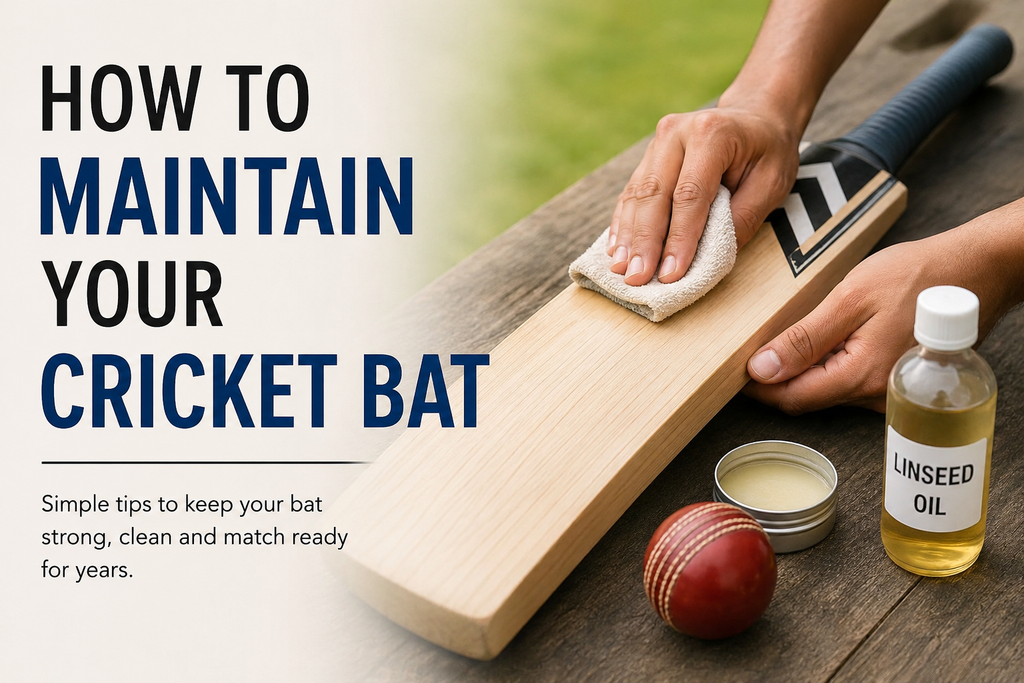
Good storage is one of the most important parts of cricket bat maintenance. When you are not using the bat, keep it somewhere dry and reasonably cool.
Avoid leaving your bat in a car for long periods, especially during very hot weather. High temperatures can create an unsuitable environment for natural wood.
You should also avoid storing the bat in a place with excessive humidity. A balanced indoor environment is generally a better choice.
Keeping the bat inside a suitable cricket bat cover can protect it from dust and accidental scratches. However, make sure the bat is completely dry before putting it away for long periods.
Do Not Throw or Drop Your Bat
This sounds obvious, but careless handling can cause unnecessary damage. A cricket bat is designed to hit the ball, not to be used as a support, walking stick, or object to throw onto the ground.
Avoid dropping the bat after getting out or placing it heavily on hard surfaces. Even a small accident can damage the toe, edges, or handle.
I always think of the bat as sports equipment that deserves the same care as any other valuable piece of equipment. Treating it carefully can help it last much longer.
Check Your Bat After Every Match
Developing a quick inspection routine can save you from bigger problems later.
After every match or serious training session, look at the blade, edges, toe, handle, and grip. Check for new cracks, loose areas, unusual dents, or changes in the shape of the blade.
Small surface marks are normal because cricket is an impact sport. However, larger cracks or structural damage should not be ignored.
If you are unsure whether damage is serious, take the bat to a professional cricket equipment specialist. Continuing to use a damaged bat can sometimes make the problem worse.
Look After the Bat Handle and Grip
Many players focus only on the blade, but the handle also needs attention. The handle connects the player to the bat and absorbs a significant amount of vibration.
Check the grip regularly. If it becomes loose, worn, or uncomfortable, replace it. A fresh grip can improve comfort and give you better control during batting.
Do not use a bat if the handle appears seriously damaged or loose. A professional should inspect major handle problems.
Avoid Excessive Water
Water is one of the biggest things to be careful about when maintaining a wooden cricket bat.
Never wash the bat under running water or leave it outside during rain. If the bat becomes wet, wipe away the moisture with a dry cloth and allow it to dry naturally.
Do not use a hair dryer, heater, or direct intense sunlight to speed up the drying process. Natural wood generally benefits from gradual drying rather than sudden temperature changes.
Use a Good Bat Cover
A quality cricket bat cover can provide useful protection during transportation and storage. It helps reduce exposure to dust, scratches, and accidental impacts.
When travelling to matches, keep your bat securely inside its cover rather than carrying it loosely with other equipment. Cricket shoes, helmets, pads, and other hard equipment can accidentally scratch or damage the bat.
A simple cover is an inexpensive way to provide an additional layer of protection.
Common Cricket Bat Maintenance Mistakes
There are several mistakes that players should avoid. One is using too much oil. Another is playing with a new bat before it has been properly prepared. Leaving the bat in a hot car is another poor habit.
Players should also avoid using harsh cleaning chemicals on the blade. These products are not necessary for normal bat care.
Another mistake is ignoring small cracks. A tiny crack does not always mean the bat is finished, but it is worth monitoring and getting checked if it becomes larger.
How Often Should You Maintain Your Cricket Bat?
There is no single maintenance schedule that works for every player. Someone who plays once a month will naturally need less maintenance than a player who trains several times a week.
I recommend checking your cricket bat after every serious session. Clean it when necessary, inspect the blade regularly, and follow the manufacturer’s recommendations for oiling and preparation.
Before an important match, give the bat a quick inspection. Make sure the grip feels comfortable, the blade looks healthy, and there are no obvious signs of serious damage.
Final Thoughts
Learning how to maintain your cricket bat is not difficult. The most important thing is consistency. Keep the bat clean, protect it from moisture, store it correctly, prepare new willow properly, inspect it after use, and handle it carefully.
In my opinion, taking care of a cricket bat is part of being a responsible cricketer. A good bat can become a trusted part of your game, but it needs proper attention to remain in good condition. With simple maintenance habits, you can protect your cricket bat, improve its longevity, and enjoy better performance during training and matches.
A few minutes of care after every session can make a significant difference over the life of your bat. Treat your equipment well, and it will be ready when you step onto the cricket field.