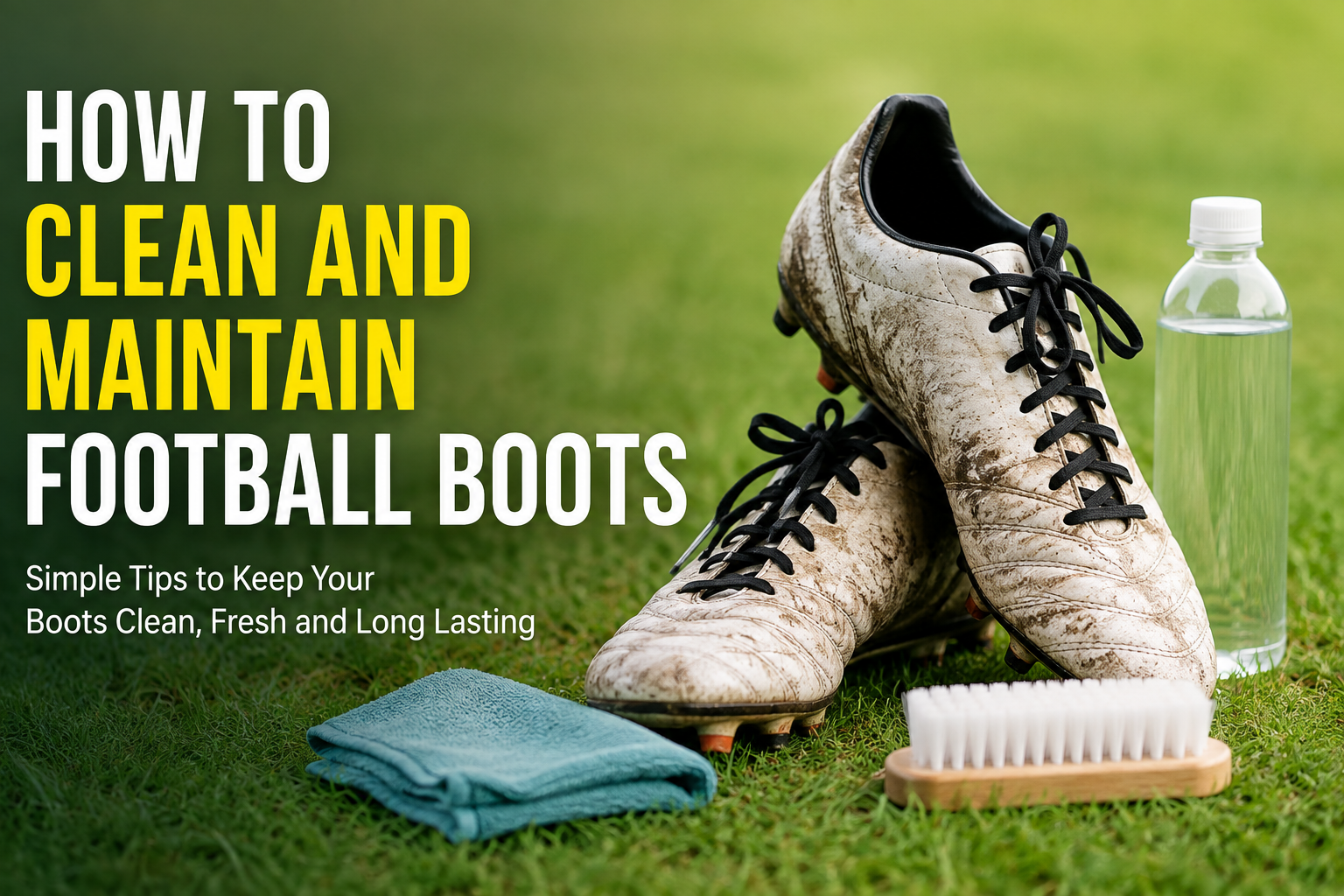
Football boots are one of the most important pieces of equipment for any football player. Whether I am playing on natural grass, artificial turf, or a muddy field, I know that my boots go through a lot during every match and training session. Mud, grass, sweat, dust, and moisture can quickly make football boots look dirty and can also affect their comfort and performance.
Learning how to clean and maintain football boots properly is not difficult. In my experience, a few simple habits after every game can make a big difference. Clean boots can last longer, smell better, remain comfortable, and continue to provide good support on the field.
In this guide, I will explain how to clean football boots, how to dry them safely, how to remove mud and dirt, and how to maintain football boots so they stay in good condition for as long as possible.
Why Football Boot Maintenance Matters
Football boots are exposed to conditions that ordinary shoes usually do not experience. Players often run through wet grass, mud, dust, and artificial surfaces. Over time, this can cause dirt to build up around the soleplate, studs, stitching, and upper material.
I believe regular football boot maintenance is much better than waiting until the boots become extremely dirty. When I clean my boots regularly, the process takes less time and the material stays in better condition.
Proper maintenance can also help prevent unpleasant odors. Sweat and moisture can remain inside football boots after a match, especially when they are placed in a closed sports bag immediately after playing.
What You Need to Clean Football Boots
You do not need expensive products to clean your football boots. Most of the time, I can do a good job with a few basic items.
You can use a soft brush, an old toothbrush, a clean cloth, lukewarm water, and a small amount of mild soap. A separate towel is also useful for drying the boots.
Before using any cleaning product, I recommend checking the manufacturer’s instructions. Different football boots can use different materials, including synthetic materials, leather, and knitted uppers.
Remove Mud After Every Match
The first step in cleaning football boots is removing loose mud and dirt.
I prefer to let heavy mud become slightly dry before brushing it away. When the mud is very wet, it can spread across the boot and make cleaning more difficult. Once the loose dirt has dried enough, I gently tap the soles together or use a soft brush to remove the larger pieces.
It is important not to hit the boots too aggressively. Hard impacts can potentially damage the soleplate or loosen parts of the boot.
Pay special attention to the studs. Mud can become trapped around them and reduce traction if it is allowed to build up.
Brush the Soleplate Carefully
The soleplate is one of the dirtiest areas of a football boot. Grass, mud, and small stones can become trapped between the studs.
I use a soft or medium brush to clean the soleplate. An old toothbrush can be useful for smaller areas where dirt is difficult to reach.
For stubborn dirt, I use a small amount of lukewarm water. I avoid soaking the entire boot because excessive water is not necessary for normal cleaning.
After cleaning the soleplate, I check each stud. If a stud looks damaged, loose, or unusually worn, I take it seriously because the condition of the sole can affect stability and safety during play.
Clean the Upper of the Football Boots
Once the larger dirt has been removed, the upper can be cleaned.
I normally start with a slightly damp cloth. If the boots are still dirty, I mix a small amount of mild soap with lukewarm water and gently wipe the surface.
The important thing is to avoid scrubbing too aggressively. Strong rubbing can damage delicate materials or affect the finish of the boots.
For synthetic football boots, a gentle cleaning method is usually enough. If the boots are made from leather or another special material, I follow the care instructions recommended for that specific material.
Clean the Laces
Football boot laces can collect a surprising amount of dirt and sweat.
I like to remove the laces before cleaning them properly. This gives me better access to the tongue and areas underneath the laces.
The laces can usually be washed gently with mild soap and water. After cleaning, I rinse them and allow them to dry naturally.
If the laces are badly damaged or no longer hold the boots securely, replacing them is a simple and inexpensive way to improve the fit.
Do Not Forget the Inside
Cleaning the outside of football boots is only part of proper maintenance. The inside also needs attention because sweat can build up there.
After playing, I remove the insoles if they are removable. I allow both the boots and insoles to breathe separately.
I avoid pouring water inside the boots. Instead, I use a slightly damp cloth when necessary and let the inside dry naturally.
Good ventilation is important. Leaving wet football boots inside a closed sports bag can create a perfect environment for unpleasant smells and moisture buildup.
How to Dry Football Boots Properly
Drying football boots correctly is one of the most important parts of football boot care.
After cleaning, I remove excess moisture with a clean towel. Then I leave the boots in a well ventilated area at room temperature.
I avoid placing football boots directly next to a heater or using very high heat to dry them quickly. Excessive heat can damage some boot materials, affect adhesives, and change the shape of the footwear.
If the boots are very wet inside, clean paper can be placed loosely inside them to help absorb moisture. I replace the paper when it becomes damp.
Natural drying may take longer, but it is usually a much safer approach.
How to Prevent Football Boots From Smelling
Football boot odor is usually connected to sweat and moisture. The best solution is prevention.
After every match, I remove my boots from the sports bag as soon as possible. I loosen the laces and allow the boots to air out.
I also make sure my socks are clean and dry before playing. Wearing fresh football socks can help reduce the amount of sweat and bacteria that build up inside the boots.
If your boots already have an odor, focus first on proper ventilation and complete drying rather than trying to cover the smell with strong fragrances.
Store Football Boots Correctly
How you store football boots can affect their lifespan.
I recommend keeping them in a cool, dry, and well ventilated place. Avoid leaving them in direct sunlight for long periods.
A football boot bag can be useful for transportation, but I would not keep wet boots sealed inside the bag for hours after a match.
Before storing them, I make sure the boots are completely dry and reasonably clean. This simple habit can prevent many common problems.
Avoid Common Cleaning Mistakes
There are several mistakes that can reduce the lifespan of football boots.
One common mistake is putting football boots into a washing machine without checking whether the manufacturer allows it. Another is using very hot water or strong household cleaning chemicals.
I also avoid using rough brushes on delicate surfaces. Aggressive scrubbing may remove dirt quickly, but it can also damage the material.
Another mistake is leaving mud on the boots for several days. Dirt becomes harder to remove when it is allowed to remain on the surface for a long time.
Perhaps the biggest mistake is ignoring damaged studs, stitching, or soleplates. Cleaning is important, but regular inspection is equally valuable.
How Often Should You Clean Football Boots?
The ideal cleaning schedule depends on how often you play and the condition of the field.
If I play on a muddy field, I clean my football boots after every match. On a dry field, they may only need a quick brush and wipe.
A deeper cleaning can be done whenever the boots become heavily soiled or begin to develop an unpleasant smell.
The main goal is consistency. A few minutes of maintenance after playing is much easier than trying to remove weeks of accumulated dirt.
How to Make Football Boots Last Longer
If you want your football boots to last longer, treat them as sports equipment rather than ordinary shoes.
Use the correct type of boots for your playing surface. Wearing boots on an unsuitable surface can cause unnecessary wear to the soleplate and studs.
Rotate between two pairs if possible. This gives each pair more time to dry and recover between sessions.
Keep the boots clean, dry them naturally, and store them properly. Also inspect the stitching, upper, soleplate, and studs regularly.
From my point of view, these small habits can make a noticeable difference to the overall life of football boots.
Final Thoughts
Learning how to clean and maintain football boots is one of the easiest ways to protect your investment in football equipment. You do not need expensive cleaning products or complicated techniques.
Remove mud after playing, clean the soleplate, wipe the upper gently, wash the laces, allow the inside to breathe, and dry everything naturally. Most importantly, avoid excessive heat and harsh cleaning products.
I have found that regular football boot care is much easier than trying to restore boots after they have been neglected for a long time. When you take a few minutes after each match to look after your boots, they can remain cleaner, more comfortable, and ready for your next training session or game.
Good football boot maintenance is not only about appearance. It is also about comfort, durability, and getting the best possible use from your equipment.