
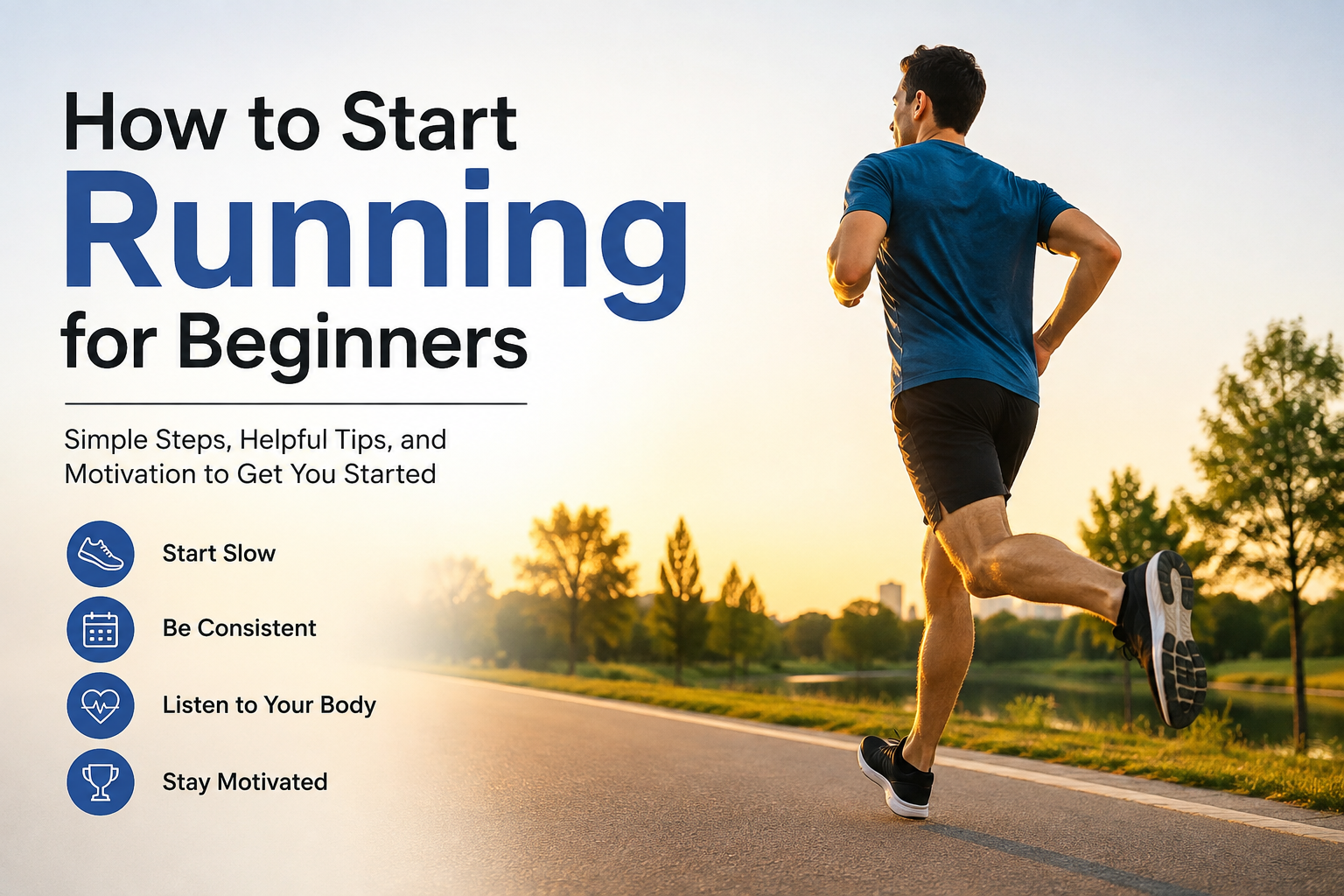
Running is one of the simplest ways to become more active, improve fitness, and spend some time away from a busy daily routine. You do not need expensive equipment or a complicated training program to begin. All you really need is a comfortable pair of running shoes, a little patience, and the willingness to start slowly.
When I think about starting running as a beginner, I believe the biggest mistake is trying to do too much too quickly. Running can feel difficult at first, especially if your body is not used to regular exercise. The good news is that your fitness can improve gradually. With consistency and a realistic approach, running can become an enjoyable part of your lifestyle.
In this guide, I will explain how to start running for beginners, how to create a simple running routine, what equipment you need, and how to stay motivated.
Why Start Running?
Running has many benefits for both physical fitness and everyday life. Regular running can help improve cardiovascular fitness, strengthen the muscles in your legs, support healthy weight management, and improve your overall stamina.
I also like running because it gives me a chance to clear my mind. Even a short run or walk can help me feel refreshed after spending a long time working or studying.
Another advantage is flexibility. You can run outdoors, on a treadmill, in a park, or around your neighborhood. You do not necessarily need a gym membership.
For beginners, the most important benefit is that running can be developed gradually. You do not have to run several miles on your first day. Starting with short periods of jogging and walking is often a much better approach.
Start With Walking
If you have not exercised regularly, I recommend beginning with walking before trying to run continuously.
Walking helps your body become accustomed to regular movement. Start with a comfortable twenty to thirty minute walk several times a week. Once walking feels easier, you can introduce short periods of slow jogging.
For example, you could walk for five minutes to warm up, jog for one minute, and then walk for two or three minutes. Repeat this pattern several times.
This walk and run method is one of the easiest ways to start running for beginners because it allows you to build endurance without putting too much pressure on yourself.
Choose Comfortable Running Shoes
Good running shoes can make your experience much more comfortable. You do not need the most expensive shoes available. Instead, look for shoes that fit properly and feel comfortable when you walk or jog.
Your shoes should provide enough room for your toes and should not create painful pressure points. If your shoes are uncomfortable before you even start running, they are probably not the right choice.
I would also avoid buying shoes simply because they look attractive. Comfort and proper fit are more important than appearance.
Create a Simple Running Schedule
One of the best beginner running tips is to follow a schedule that you can actually maintain.
Instead of deciding to run every day, start with three running sessions per week. Leave rest days between your running sessions, especially when you are new to exercise.
A simple beginner routine could look like this:
Monday: Walk and jog for 20 to 25 minutes
Tuesday: Rest or take an easy walk
Wednesday: Walk and jog for 20 to 25 minutes
Thursday: Rest
Friday: Walk and jog for 20 to 30 minutes
Saturday: Optional easy walk
Sunday: Rest
The exact schedule is not important. What matters is consistency. A realistic plan that you follow for several weeks is much more useful than an ambitious plan that becomes difficult after a few days.
Warm Up Before Running
Before running, spend a few minutes preparing your body for exercise. Start with an easy walk and gradually increase your pace.
A five to ten minute walking warm up can help you transition into your running session. You can also perform gentle movements such as leg swings or ankle circles.
I prefer keeping the warm up simple. You do not need a complicated routine before every beginner run.
Run at a Comfortable Pace
Many beginners try to run too fast because they think running means pushing themselves as hard as possible. In my opinion, this is one of the easiest ways to make running feel unnecessarily difficult.
Your first goal should be building endurance, not speed.
Try to run at a pace where you can still speak a few words without feeling completely out of breath. If you cannot maintain a conversation at all, slow down or switch to walking.
Remember that running slowly is still running. Speed can come later as your fitness improves.
Follow the Run Walk Method
The run walk method is particularly useful for people who are completely new to running.
You could start with one minute of jogging followed by two minutes of walking. Repeat this for fifteen to twenty minutes.
After a few weeks, you might increase the jogging time to two minutes and reduce the walking time. Later, you can try jogging for five minutes at a time.
There is no requirement to progress at a specific speed. Everyone’s fitness level is different.
The goal is to gradually increase the amount of time you can comfortably spend running.
Increase Your Running Slowly
When you begin feeling stronger, it can be tempting to increase your distance dramatically. I recommend avoiding this.
Give your body time to adapt. Increase your running time or distance gradually instead of trying to make a major improvement every week.
For example, if you are comfortably running for twenty minutes, you do not need to suddenly run for forty five minutes. A small increase can be enough.
Progress is not always about running farther. Sometimes progress means feeling less tired during the same workout.
Listen to Your Body
Learning to understand your body is an important part of beginner running.
Normal exercise fatigue is different from sharp or unusual pain. If something feels seriously wrong, stop and give yourself time to recover.
You should also pay attention to excessive tiredness. Rest is not a sign of weakness. Rest allows your body to recover and helps you return to your next workout feeling better.
If you have an existing medical condition, significant health concerns, or have been inactive for a long period, consider speaking with a qualified healthcare professional before starting a new exercise program.
Stay Hydrated
Drinking enough water is important when exercising, especially in hot or humid weather.
For shorter beginner runs, simply drinking water regularly throughout the day may be enough. If you are running for longer periods or exercising in hot conditions, you may need to pay closer attention to hydration.
Do not wait until you feel extremely thirsty before thinking about fluids. Make hydration part of your normal routine.
Choose the Right Running Environment
Your running environment can make a big difference to your experience.
A quiet park, running track, treadmill, or safe neighborhood route can all work well. Choose somewhere where you feel comfortable and where you can maintain your pace without constantly worrying about traffic or obstacles.
If you run outdoors, pay attention to weather conditions and visibility. In hot weather, consider running during cooler parts of the day.
I also think changing your route occasionally can make running more interesting. A different view can help prevent your workouts from becoming boring.
Do Not Compare Yourself With Other Runners
One of the most important running tips for beginners is to focus on your own progress.
You may see other people running faster or farther than you. That does not mean you are doing something wrong.
Someone else may have been running for years while you are only beginning.
Instead of comparing yourself with another runner, compare your current fitness with where you started. If you can run for five minutes today and you could only walk five minutes a few weeks ago, that is progress.
Strength Training Can Help
Running does not have to be your only form of exercise. Basic strength exercises can support your overall fitness.
Simple exercises such as squats, lunges, calf raises, and bodyweight movements can help strengthen muscles used during running.
You do not need to spend hours lifting weights. A short strength session once or twice a week can be a useful addition to a beginner running routine.
Make Running Enjoyable
Running becomes easier to maintain when you actually enjoy it.
Some people like listening to music or podcasts while running. Others prefer running without headphones so they can enjoy their surroundings.
You can also run with a friend, join a beginner running group, or set small personal goals.
For me, the most useful goal is simply showing up. Completing a short run consistently is more valuable than waiting for the perfect day to complete a difficult workout.
Track Your Progress
Keeping track of your running can help you see improvements that might otherwise go unnoticed.
You can record the date, running time, distance, and how you felt during the workout.
Do not become obsessed with numbers. Your pace and distance are only part of the picture.
You might notice that your breathing feels easier, your recovery is faster, or you feel more energetic after running. These are meaningful improvements too.
Common Beginner Running Mistakes
There are a few mistakes that beginners should try to avoid.
The first is running too fast. A slower pace is often more sustainable.
The second is running every day immediately. Your body needs time to adapt.
The third is ignoring pain. Discomfort from effort can happen, but significant pain should not simply be pushed through.
Another common mistake is expecting immediate results. Fitness takes time. Give yourself several weeks and focus on building a habit.
Finally, avoid thinking that a short workout is pointless. Even a fifteen minute walk and jog is better than doing nothing.
A Simple Beginner Running Plan
If you want a straightforward place to start, try this four week approach.
During the first week, focus mainly on walking with short jogging intervals.
During the second week, gradually increase the amount of jogging while keeping the sessions comfortable.
During the third week, try longer jogging intervals with shorter walking breaks.
During the fourth week, see whether you can comfortably jog for longer periods without worrying about speed.
You can repeat a week if you do not feel ready to progress. There is absolutely nothing wrong with moving slowly.
Final Thoughts
Learning how to start running for beginners does not have to be complicated. Start with walking, introduce short jogging intervals, choose comfortable running shoes, and give your body enough time to adapt.
I believe consistency is more important than speed when you are starting out. You do not need to become a fast runner immediately. Your first goal should simply be becoming someone who runs regularly.
Some days will feel easy, while other days may feel difficult. That is completely normal. What matters is continuing to build the habit without putting unnecessary pressure on yourself.
Start small, stay patient, listen to your body, and enjoy the process. With time, those short beginner runs can turn into longer and more comfortable runs. The most important step is the first one, so put on your shoes and begin.
Primary Keyword: How to Start Running for Beginners
Secondary Keywords: beginner running tips, running for beginners, beginner running plan, how to start running, running tips for beginners, starting a running routine
SEO Meta Description: Learn how to start running for beginners with simple running tips, a beginner running plan, proper pacing, warm up advice, and easy ways to stay motivated.